
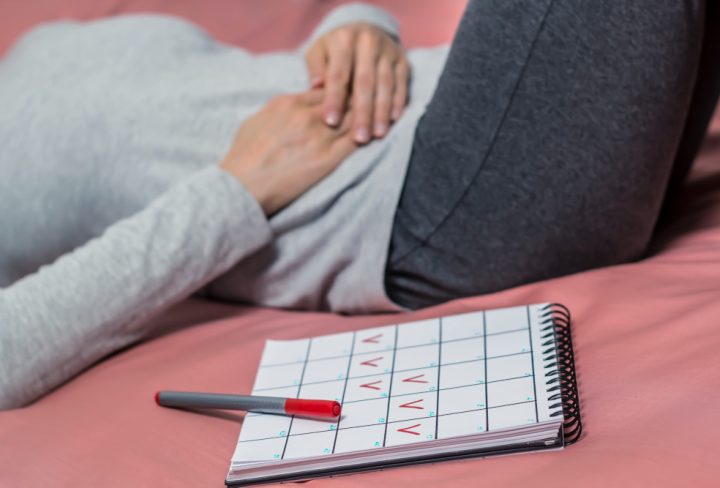
Introduction to Menstrual Disorders and Their Impact
Many women face menstrual disorders at some point in life. These issues can affect daily routines and overall well-being. The term “menstrual disorders” covers problems like irregular periods, heavy bleeding, or painful cramps. For some, these symptoms can be mild. However, others may find them hard to manage. Ayurvedic remedies for menstrual disorders offer natural ways to manage periods and support menstrual health. Understanding these options can help you feel better and live more comfortably.
Common Types and Symptoms of Menstrual Disorders
Menstrual disorders come in many forms. Each type has its own symptoms. Knowing the signs can help you seek help early. Common types include:
Sometimes, these symptoms can disrupt school, work, or family life. If you notice any of these signs, it is important to pay attention and seek support if needed.
Ayurvedic Perspective on Menstrual Health
Ayurveda is an ancient Indian system of medicine. It views health as a balance between body, mind, and nature. In Ayurveda, menstrual health depends on the balance of three energies, called doshas: Vata, Pitta, and Kapha. When these doshas are balanced, periods are regular and comfortable. However, if there is an imbalance, menstrual disorders may occur. Ayurveda focuses on natural ways to manage periods, such as diet, lifestyle, and herbal remedies.
Ayurvedic Diet Tips for Menstrual Disorders
Diet plays a key role in Ayurvedic remedies for menstrual disorders. Eating the right foods can help balance hormones and ease symptoms. Here are some Ayurvedic diet tips for menstrual health:
For example, a simple meal of rice, cooked vegetables, and a small amount of ghee can be soothing. Avoid cold, processed, or fried foods, as these may upset digestion and worsen symptoms.
Lifestyle Recommendations in Ayurveda for Menstrual Health
Along with diet, lifestyle changes can support menstrual health. Ayurveda suggests several natural ways to manage periods and reduce discomfort. Try these tips:
In addition, avoid skipping meals or staying up late, as these habits can upset your body’s balance.
Prevention and Self-Care Strategies
Preventing menstrual disorders is possible with simple self-care steps. Here are some strategies you can try:
Moreover, regular check-ups with a healthcare provider can help catch problems early. If you live in a city with high stress or pollution, focus on stress management and clean eating for better results.
When to Seek Professional Help
While natural ways to manage periods can help, some symptoms need medical attention. You should see a doctor or qualified Ayurvedic practitioner if you:
Early care can prevent complications and help you find the best treatment for your needs.
Conclusion
Ayurvedic diet and lifestyle tips offer gentle, natural ways to manage menstrual disorders. By making small changes in food and daily habits, you can support your menstrual health. However, always consult a qualified Ayurvedic practitioner for personalized advice on menstrual health. Your well-being matters, and the right support can make a big difference.