
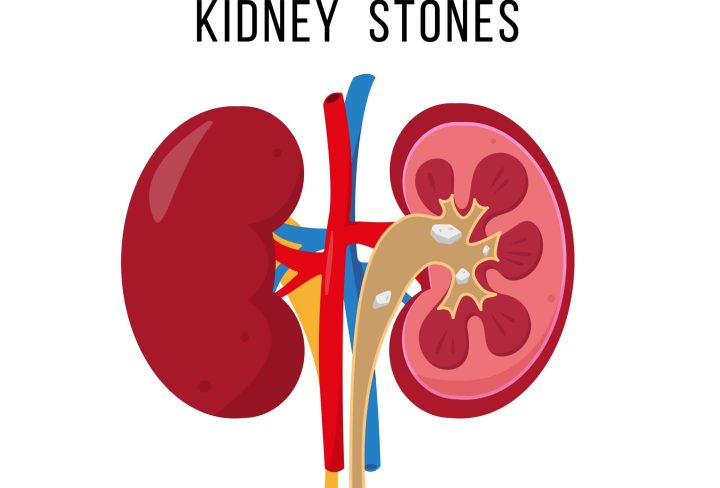
What Are Kidney Stones?
Kidney stones are small, hard deposits that form inside your kidneys. They can cause pain and discomfort. Often, these stones are made of minerals and salts. Anyone can get kidney stones, but some people are more at risk. While most stones pass on their own, some may need treatment. Ayurvedic remedies for kidney stones offer natural ways to help manage and prevent them.
Common Symptoms and Causes of Kidney Stones
Kidney stones can cause several symptoms. For example, you may feel sharp pain in your back or side. Sometimes, you might notice blood in your urine. Other signs include:
There are many causes of kidney stones. For instance, not drinking enough water can lead to stone formation. Eating too much salt or animal protein may also increase your risk. Family history and certain medical conditions can play a role as well.
Ayurvedic Perspective on Kidney Stones
Ayurveda is an ancient system of medicine from India. According to Ayurveda, kidney stones are called “Ashmari.” They believe stones form due to an imbalance in the body’s energies, known as doshas. In particular, an increase in Vata and Kapha doshas can lead to stone formation. Ayurveda focuses on balancing these energies to prevent and treat kidney stones naturally.
Evidence-Based Ayurvedic Remedies for Kidney Stones
Many people turn to Ayurveda for kidney stone relief. Several herbs and natural treatments may help. However, always talk to a healthcare provider before starting any new remedy.
Herbal Remedies for Kidney Stones
Dietary Tips
Lifestyle Changes
These natural treatments for kidney stones may help reduce symptoms and support kidney health. Still, more research is needed to confirm their effectiveness. The World Health Organization notes that herbal remedies should be used with care and under guidance.
Prevention Tips Using Ayurveda
Preventing kidney stones is often easier than treating them. Ayurveda offers simple tips for prevention. For example, you can:
By following these steps, you may lower your risk of kidney stones naturally.
When to Seek Medical Help
While natural treatment for kidney stones can be helpful, sometimes you need medical care. Seek help if you have:
These signs may mean you need urgent treatment. Always consult a doctor if you are unsure about your symptoms.
Conclusion
Ayurvedic remedies for kidney stones offer natural solutions for prevention and relief. Herbs, dietary changes, and lifestyle tips can support kidney health. However, it is important to use these remedies safely and seek medical advice when needed. Consult a healthcare professional or certified Ayurvedic practitioner for personalized advice on kidney stone management.